
Home > Location > Water Carbon Filter Installation
Water Carbon Filter Installation Services in Southern Ontario
Carbon water filters improve taste and odour by removing chlorine, and organic compounds from household water supplies.
Our certified technicians install carbon filtration systems that deliver cleaner, better-tasting water for everyday household use.
We provide professional water carbon filter installation services across Southern Ontario , helping families enjoy healthier water at home.
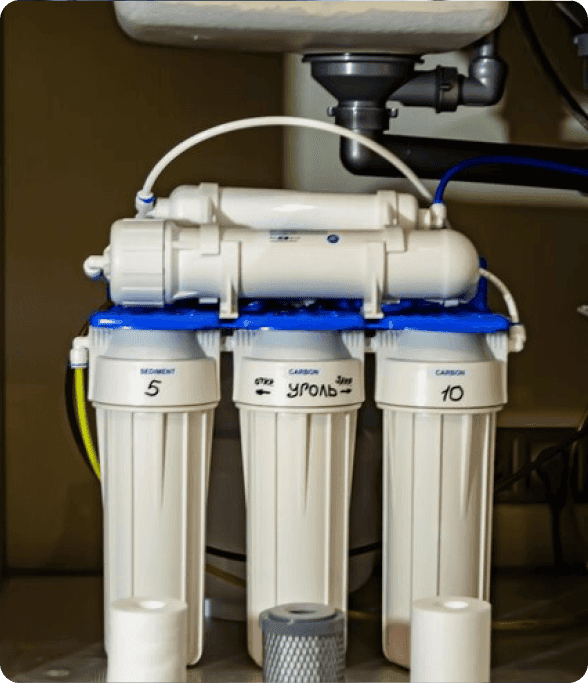

Certified Water Carbon Filter Installers
Our licensed technicians specialize in carbon water filter installation, ensuring correct placement and optimal filtration performance.
We assess your water quality and household needs to recommend the most suitable carbon filtration system for your home.
Southern Ontario homeowners rely on our team for accurate installation, dependable service, and long-lasting water purification solutions.
Water Carbon Filter Repair
Get Professional diagnosis and repair services to restore filtration efficiency and system performance quickly.
Water Carbon Filter Maintenance
Routine filter replacement and cleaning services that keep carbon systems working efficiently and reliably.
Water Carbon Filter Services
360° Home Comfort
Carbon Filters & Water Purification Systems You Can Depend On
Carbon water filters are a valuable investment for improving household water quality. Our water carbon filter installation services in Southern Ontario remove chlorine, and organic compounds that affect taste and odour. We provide professional installation, system assessments, and ongoing support to ensure consistent performance. Our solutions help protect plumbing, improve water quality, and enhance everyday comfort.

Better Tasting Water
Carbon filtration removes chlorine, improving water taste and odour for drinking, cooking, and daily use.

Durable And Long-Lasting Appliances
Filtered water reduces scale and mineral buildup, helping protect appliances and extend plumbing system lifespan.

Compatible With Other Filtration Systems
Carbon filters can be combined with other water purification solutions to improve overall system efficiency.

Initial Consultation
We evaluate your water quality, household needs, and budget to determine the most suitable carbon filtration solution.

Your Customized Solution
Our team designs a tailored water filtration plan and provides multiple options to match your lifestyle and needs.

Installation System
Experienced technicians install your carbon water filter efficiently, ensuring proper setup and immediate water improvement.
Get Your Carbon Water Filter Installed in Just 24 Hours
Our same-day installation services help homeowners access cleaner, better-tasting water without unnecessary waiting.
Certified technicians follow a streamlined process to ensure accurate installation and reliable filtration performance.
We prioritize convenience, quality workmanship, and minimal disruption during carbon filter installation across Southern Ontario .
Every review reflects our commitment to quality workmanship, honest service, and lasting customer relationships. We take pride in helping homeowners enjoy reliable comfort with expert HVAC solutions they can trust.
Excellent rating
Based on 222 reviews

Trustindex verifies that the original source of the review is Google.
I cannot recommend this company based on my experience. I needed to replace the central air conditioner at my rental property after my existing unit failed. Because I couldn't wait several weeks for another supplier, I chose this company because they had a unit in stock and could install it the next day. Before the installation, I specifically asked the owner not to discuss the job with my tenants. Despite that request, he asked both of my tenants to leave him 5-star reviews before the installation was even complete and also asked one of them for my husband's phone number, even though I am not married. After the installation, I received a call telling me to come to the property immediately because the furnace was no longer working. When I arrived, I was told the furnace couldn't be repaired and was immediately offered a replacement furnace. When I asked them to repair the problem, they refused, so I hired another HVAC company. After waiting nearly two weeks for the required part, that company repaired the furnace. I refused to pay until the furnace was repaired and the new air conditioner could actually be tested. Although the owner agreed, I received repeated messages demanding payment while we waited. Once the furnace was repaired and the air conditioner was finally running, I paid in full that same evening. It then took several days and multiple requests before I finally received my receipt. Within about a day of operation, the new air conditioner began making a loud noise that sounded like a tractor. I was instructed over the phone to bleed refrigerant from the system myself, which I refused because I do not have the proper equipment or training. I requested that someone other than the owner attend the service call. The technician who arrived released what appeared to be refrigerant from the system for an extended period while the unit was running and would not answer my questions. I was concerned enough that I considered contacting the fire department or environmental authorities. During a recorded phone call, the owner initially told me this was perfectly acceptable. In a later recorded conversation, he told me the technician should not have released the refrigerant but claimed his company was not responsible because the technician was a subcontractor. In another call later that same day, he changed his explanation again and said no refrigerant had actually been released. Receiving three different explanations about the same incident left me with very little confidence in the company's honesty or accountability. I then had another independent HVAC company inspect the air conditioner. They advised that it appears to be operating properly but could not guarantee the compressor hadn't been affected by the earlier overcharge and refrigerant release. Because I no longer have confidence in this company, I requested a refund of the labour warranty so I could use another contractor for future warranty work, or alternatively that they remove the unit and provide a full refund. Both requests were refused. I was then told that if I contacted the owner again, it would be considered harassment. Overall, the installation, communication, repeated pressure for payment, inconsistent explanations, refusal to accept responsibility, and handling of my concerns have left me extremely disappointed. I cannot recommend this company based on my experience. Joanne BrearleyAlex installed our heat pump. Very organized person. Very happy with the outcome.
 JIGNESH PATELAc installed by Alex , highly recommended
 Mohammad SoheiliAlex was very professional and knowledgeable about the complete job . I would highly recommend this company
 Joe DePaolisAlex and his team did a good job, and I have no complaints about the quality of their work. They were efficient, and the system was installed properly. Fair pricing too.
 Anish DsouzaCalled Alex for no cool in toronto , they replaced my Air conditioner same day ,offering me fair price ,they were polite and efficient, 100% recommended
 George NikolarosAlex installed my ductless heat pump all is excellent service was amazing!thank you so much.
 Kelly ChadwickThey instskked my ductless mini split heat oump air conditioner unit in kawartha lakes ontario, very happy with the install they went bynod to walk mevthrough everything 100% recomended.
 vladimir zaceAlex installed my AC, Very great services!
 Elias
Elias
Looking for Something Else?
Don’t let HVAC problems interrupt your comfort. Whether it’s heating, cooling, or water system services we’ve got your back. Contact us today to book a service or learn more about our reliable home comfort solutions. At 1ST HEAT HOME COMFORT, your comfort is always our priority.
- (289) 409-9929
- info@1stheathomecomfortinc.ca
- Serving Southern Ontario